

Why Poor Sleep May Be the Hidden Reason Behind Weight Gain and Low Energy
There’s a quiet cycle many women find themselves in…
Going to bed tired, struggling to fall asleep — or waking up in the middle of the night — only to wake up the next morning feeling just as exhausted.
Even with a healthy routine, balanced meals, and good intentions…
something still feels off.
And over time, that feeling becomes harder to ignore.



For many women, the issue doesn’t start with diet or exercise.
It starts at night.
When sleep becomes irregular, shallow, or interrupted, the body doesn’t fully recover. And without proper recovery, key systems that regulate energy, metabolism, and hormonal balance begin to shift.
This often shows up in subtle ways at first.
Feeling tired even after a full night in bed. Cravings that seem harder to control. A slower metabolism that no longer responds the way it used to.
Over time, this creates a frustrating cycle —
where doing “everything right” still doesn’t feel like enough.


What many don’t realize is that sleep plays a direct role in how the body regulates weight, stress, and overall balance.
During the night, the body goes through essential processes — restoring energy, balancing hormones, and supporting metabolic function.
But when sleep is compromised, these processes don’t happen as efficiently.
Instead of resetting, the body remains in a more stressed state.
And this can quietly impact how you feel throughout the entire day.
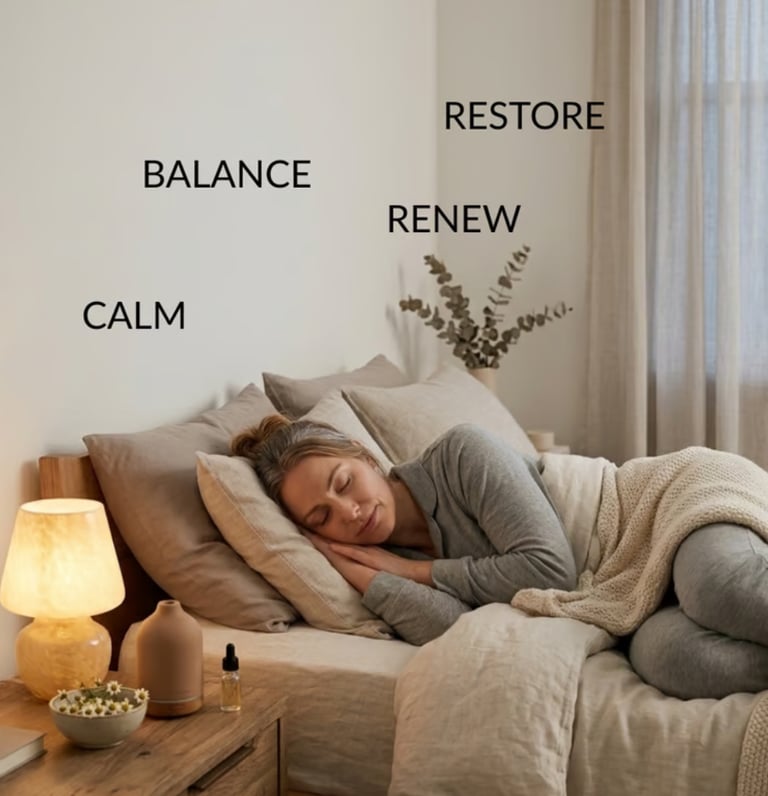
That’s why we took a closer look at approaches designed to support the body during its most important recovery phase.
Sleep Lean follows a different path.
Instead of relying on harsh stimulants or quick fixes, it focuses on supporting the body during sleep — helping create a more balanced internal environment overnight.




Some of the ingredients that stood out in this approach include:
• Passionflower: traditionally used to support relaxation and calm the nervous system
• Chamomile: known for promoting restful sleep and easing tension
• Valerian Root: often associated with improving sleep quality and nighttime recovery
Together, they create a gentle, supportive foundation — aligned with how the body is designed to rest and restore.
When the body is supported during rest, the effects are often felt beyond the night.
Many women describe:
• Falling asleep more naturally
• Waking up feeling lighter and more refreshed
• More stable energy throughout the day
• A reduced sense of heaviness and fatigue
This isn’t about forcing change —
but allowing the body to return to a more natural rhythm.
What makes this approach different is that it doesn’t try to override the body.
Instead, it works with it.
Because sometimes, the issue isn’t about pushing harder — it’s about allowing the body to recover properly.
And when rest improves, everything else often begins to follow.
Energy feels more stable.
Daily routines feel lighter.
And the constant cycle of fatigue becomes easier to break.
If you’ve been feeling stuck in that pattern…
this may be a perspective worth exploring more deeply.
Sources / References: Harvard Health Publishing. Sleep and metabolism: What’s the connection. / Mayo Clinic. Sleep disorders and overall health. / National Institutes of Health (NIH). Sleep and circadian rhythm research. / Cleveland Clinic. Effects of poor sleep on hormone regulation. / Sleep Foundation. How sleep impacts weight and energy balance.




When your body functions efficiently, everything from energy levels to overall well-being starts to feel more balanced.
"Your sanctuary is a reflection of your choices. Let every item you bring into your home be a step toward a more mindful, balanced, and beautiful life."


Quality sleep is essential for both physical recovery and mental clarity, yet it can often feel difficult to achieve consistently.


When digestion feels heavier than it used to, even simple meals can bring discomfort.
Supporting how your body processes food can help you feel lighter and more comfortable throughout the day.