

Your Home, Your Sanctuary: How Your Space Shapes Your Emotional Wellness
Your environment has a direct impact on how you feel, think, and rest. Creating a calm and supportive home is becoming an essential part of modern wellness, helping women feel more grounded, focused, and emotionally balanced.
3/26/20262 min read

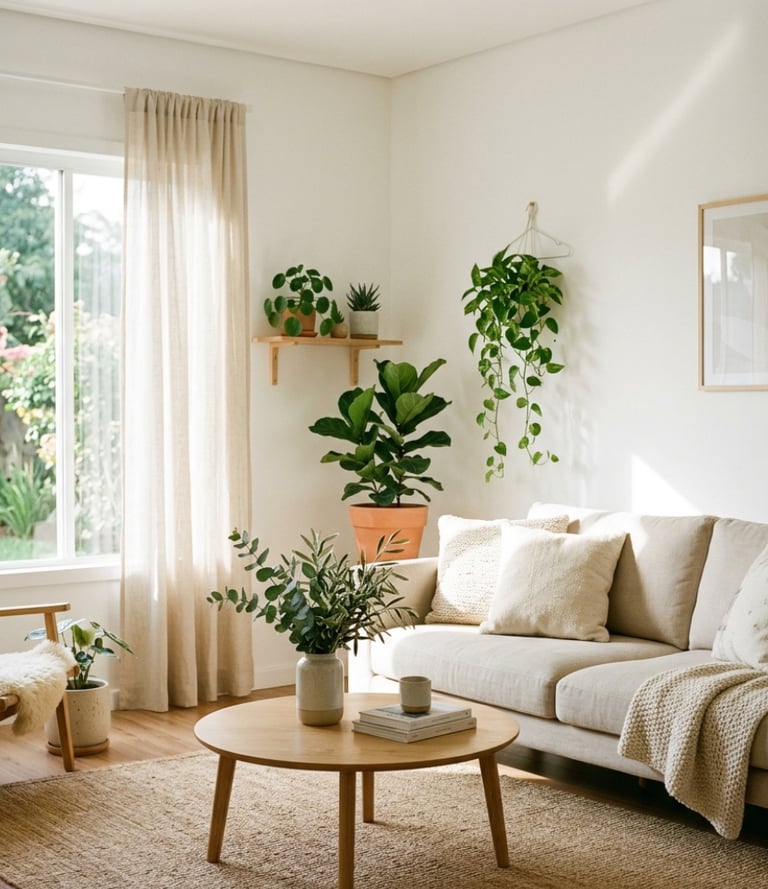
There are days when you walk into your home and immediately feel at ease.
And there are days when something feels off — even if everything looks the same.
This is because your environment affects you more than you realize.
The light, the noise, the organization, the energy of the space — all of it communicates with your mind and body constantly.
For many women, home has become more than just a place to live.
It has become a space for recovery.
After long days, responsibilities, and constant external stimulation, your home is where your body looks for safety.
And when that space feels overwhelming, cluttered, or chaotic, it becomes harder to truly rest.
This is where intentional living spaces come in.
Creating a home that supports your emotional wellness doesn’t require perfection or expensive changes.
It begins with awareness.
How does your space make you feel?
Are there areas that feel heavy or overstimulating? Are there places where you naturally feel calmer?
These small observations can guide meaningful changes.
You might start by simplifying one area. Reducing visual clutter. Letting in more natural light. Creating a quiet corner where you can pause.
These are not just aesthetic changes.
They are emotional ones.
Because when your environment feels calm, your body responds.
Your breathing slows. Your thoughts become clearer. Your energy feels less scattered.
Over time, your home becomes more than just a physical space.
It becomes part of your wellness ecosystem.
A place where you can return to yourself.
And that is something deeply valuable.
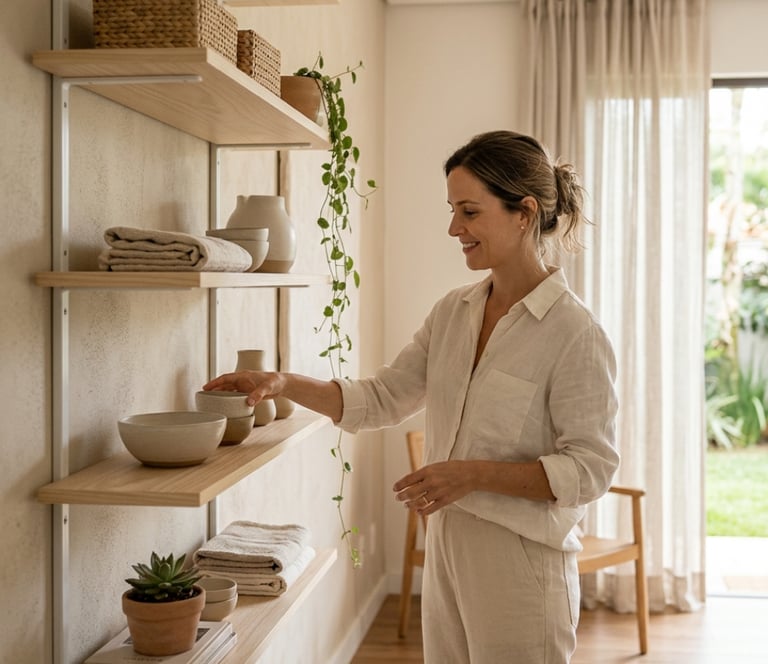
Your space should support you, not overwhelm you.
Start with one small area in your home. It could be your bedroom, your living space, or even a corner of a room.
Remove what feels unnecessary. Keep what feels calming and meaningful.
Focus on light, simplicity, and comfort.
These small changes create a space that feels more aligned with your emotional needs.
Your home can become a place of calm, not just a place to live.
When you begin to create your space with intention, you start to feel the difference in your daily life.
Your mind feels less cluttered, your body feels more at ease, and your routines become lighter.
It doesn’t require perfection — just awareness and small changes over time.
Your environment begins to support your well-being instead of draining it.
And slowly, your home becomes a space where you can truly rest and reset.